
Blog
Copper Alembics: What They Are, How They Work, and Why They Are Still Popular Today

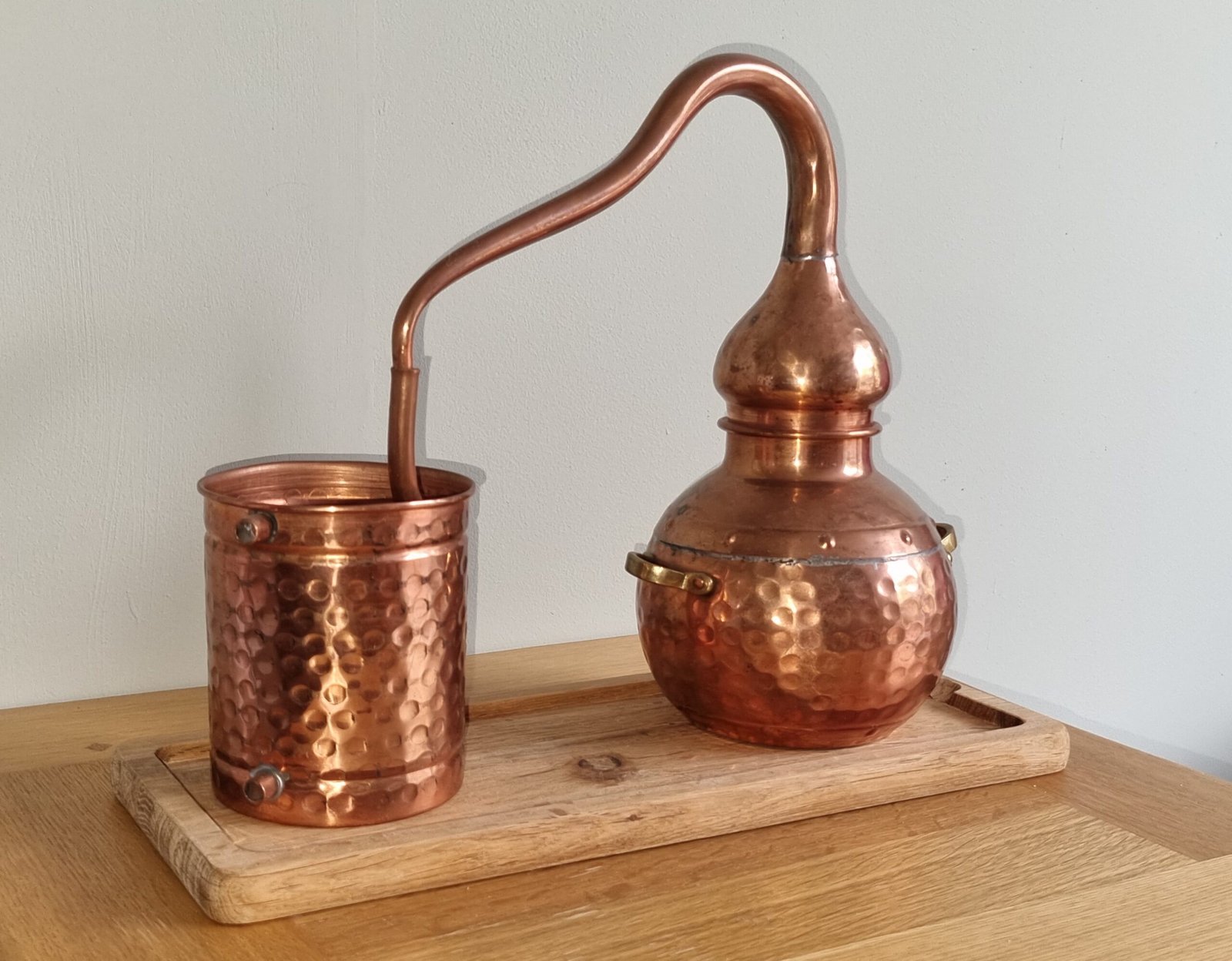
For centuries, people have used copper alembics to extract valuable compounds from plants, create aromatic waters, and preserve natural fragrances. While modern technology has introduced new distillation methods, the traditional alembic still remains highly valued for its craftsmanship, efficiency, and historical significance.
Whether you are interested in essential oil distillation, herbal preparations, or traditional copper equipment, understanding how an alembic works can help you appreciate one of humanity’s oldest extraction technologies.
What Is a Copper Alembic?
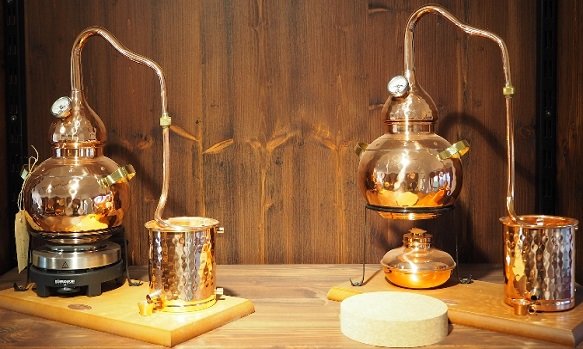
A copper alembic is a traditional distillation apparatus used to separate and collect volatile compounds through the process of heating and condensation. The design dates back thousands of years and was refined by Arab scholars and European craftsmen over centuries.
A typical alembic consists of:
- A boiler where water and plant materials are heated
- A dome-shaped head that collects vapor
- A condenser that cools the vapor back into liquid
- A collection vessel for the final distilled product
Today, copper alembics are widely used for essential oil production, hydrolat creation, educational demonstrations, and traditional artisan practices.
How Does an Alembic Still Work?
The principle behind an alembic still is simple but highly effective.
First, water and botanical materials such as lavender, rosemary, mint, or rose petals are placed inside the boiler. As the mixture heats, steam carries aromatic compounds upward into the alembic head. The vapor then travels through the condenser, where it cools and returns to liquid form.
The resulting liquid may contain:
- Essential oils
- Floral waters (hydrolats)
- Aromatic extracts
- Concentrated plant essences
This gentle process helps preserve many of the natural characteristics of the original plant material.
Essential Oil Distillation with Copper Alembics
One of the most popular modern uses of a copper alembic is essential oil distillation.
Plants contain tiny amounts of volatile oils responsible for their fragrance and many of their characteristic properties. Through steam distillation, these compounds can be separated and collected.
Common plants used for essential oil production include:
- Lavender
- Peppermint
- Rosemary
- Eucalyptus
- Chamomile
- Lemon balm
- Pine needles
The resulting oils are widely used in aromatherapy, cosmetics, soaps, candles, and natural wellness products.
What Are Hydrolats?
During essential oil distillation, another valuable product is created: hydrolats.
Hydrolats, also known as floral waters, contain water-soluble aromatic compounds from plants. Popular examples include:
- Rose water
- Lavender water
- Orange blossom water
- Chamomile water
These products are commonly used in skincare, natural cosmetics, and home fragrance applications.
Why Is Copper the Preferred Material?
Most traditional alembics are made from copper, and for good reason.
Copper offers several important advantages:
Excellent Heat Conductivity – Copper distributes heat evenly throughout the vessel, helping maintain stable temperatures during distillation.
Durability – A well-made copper alembic still can last for many years when properly maintained.
Traditional Craftsmanship – Many people choose copper equipment because of its historical authenticity and timeless appearance.
Attractive Design – Handcrafted copper alembics are often appreciated as decorative pieces as much as functional equipment.
Choosing the Right Alembic – If you are considering purchasing a traditional distillation apparatus, several factors should be taken into account:
Capacity – Smaller alembics are ideal for hobbyists and educational use, while larger models are better suited for processing greater quantities of plant material.
Construction Quality – Look for durable materials, strong joints, and quality craftsmanship.
Condenser Type – Different condenser designs may influence cooling efficiency and ease of use.
Intended Application – Consider whether you plan to use the alembic for essential oils, hydrolats, educational demonstrations, or display purposes.
Caring for Your Copper Alembic
To maintain the appearance and performance of your alembic:
- Clean thoroughly after each use
- Dry all components completely
- Store in a dry environment
- Avoid harsh chemicals that may damage the copper surface
Over time, copper naturally develops a patina that many enthusiasts find attractive.
Summary
The copper alembic is one of the most recognizable pieces of traditional distillation equipment ever created. From essential oil distillation and hydrolat production to educational demonstrations and historical appreciation, alembics continue to attract enthusiasts around the world.
Combining practical functionality with centuries of craftsmanship, a traditional alembic still remains a fascinating tool for anyone interested in botanical extraction, natural products, and historical technologies.